
Mahjong ZenLand: Senior Match
LIHUHU PUBLISHING PTE. LTD.Board
5.0174.00 Reviews
- Version
- 2.17.0
- Installs
- 100.00K
- Age Rating
- Everyone
Screenshots
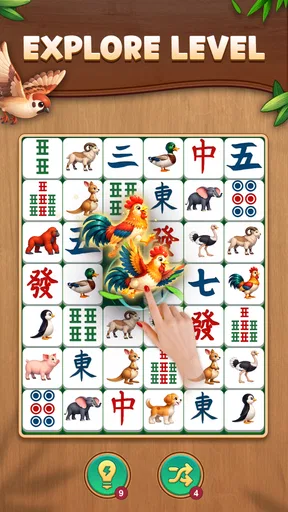
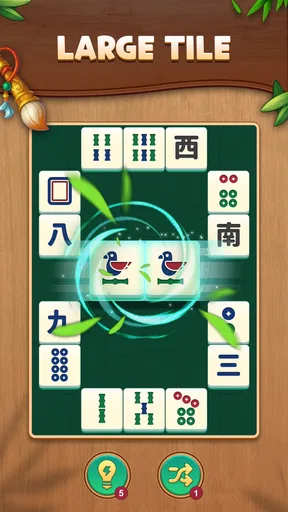
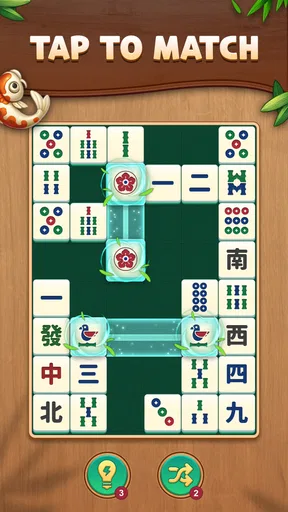
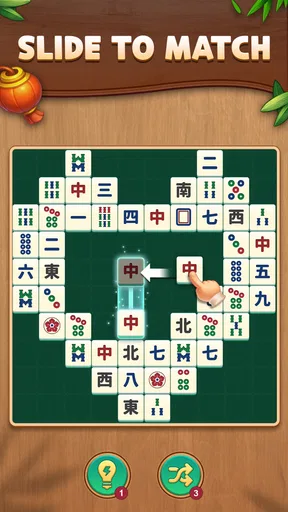


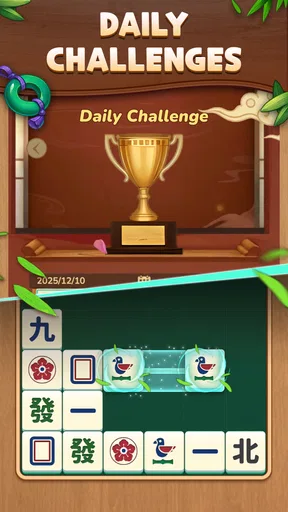

Our Review of Mahjong ZenLand: Senior Match
 Analysis by Appyee
I downloaded Mahjong ZenLand: Senior Match expecting a gentle board game rather than a demanding strategy challenge, and that is exactly the space it occupies. It is a free mahjong puzzle from LIHUHU PUBLISHING PTE. LTD., designed around large tiles and an easygoing pace. The presentation makes it approachable for older players, people who prefer relaxed games, and anyone who wants a few quiet minutes without learning a complicated rule set.
My first impression was positive because the game communicates its purpose quickly. You look at a tile layout, find matching open pieces, and clear the board. There is no need to understand a long tutorial before playing. That simplicity is the main reason it feels comfortable during the first week, but it also raises the important question: does a straightforward mahjong game remain interesting after the initial novelty fades?
What playing it feels like over time
I find the most useful way to judge this kind of puzzle is to notice whether it still feels comfortable after the first few sessions, rather than treating a cleared board as proof that it will hold my attention. I’ll look at how its gentle pace fits into ordinary routines and where that simplicity may stop being enough, then turn to the practical question of what its purchase options mean for a player.
A welcoming first week for relaxed puzzle sessions
The large-tile approach is more than a visual choice. It makes the board easier to scan, especially when I am playing on a smaller phone or when the room lighting is not ideal. Mahjong layouts can become tiring when symbols are tiny or crowded, so the generous presentation gives this version an immediate practical advantage. I can focus on matching rather than squinting at the screen.
The basic rhythm is familiar: inspect the arrangement, choose a pair, and gradually expose more pieces. That creates a pleasant loop between observation and decision-making. It is not frantic, and the game does not demand the quick reactions found in arcade titles. I can pause mentally between moves, which makes it suitable for a morning coffee, a short break, or a quiet evening wind-down.
During the first few sessions, I found the best approach was not to grab the first matching pair I noticed. Clearing a pair can reveal useful tiles, but it can also remove an option that would have helped open another part of the board. Even in a relaxed puzzle, looking one or two moves ahead makes the process more satisfying. That small habit turns the game from simple tapping into a light exercise in planning.
The senior-friendly design also makes it a reasonable choice for sharing with a family member who is less comfortable with modern mobile games. I would be more confident handing this to someone who dislikes crowded interfaces than recommending a faster, more visually intense puzzle. The large tiles reduce the physical and visual barrier to entry, while the recognizable mahjong format explains itself through play.
Its free entry point helps with that trial period. I can install it without committing money first, test whether the tile size and pacing suit me, and decide later whether the extra purchases are worthwhile. The age rating is Everyone, which fits the calm and accessible nature of the experience. It is the kind of game I could introduce to a parent or grandparent without needing to explain mature themes or complicated controls.
Small decisions matter more than the relaxed tone suggests
One useful way to play is to treat the board as a changing set of opportunities rather than a collection of obvious pairs. Before selecting anything, I scan for tiles that are blocking several others and for matches that sit near the edges of a stack or arrangement. This makes each move feel intentional. It also gives me a way to recover when the layout becomes less obvious.
Another practical tip is to slow down when only a few pairs remain. The final stage is often where careless tapping becomes costly, because the remaining pieces can look similar while offering fewer choices. I find it better to pause, identify every available match, and choose the one that opens the most useful space. That workflow is especially helpful for players who want the game to remain a mental exercise rather than a purely automatic matching routine.
For short sessions, I do not try to complete a large number of boards. I play until I feel the concentration becoming work, then stop. This matters because the title works best as a calm habit, not as a game I force myself to grind. Its relaxed identity becomes less convincing if I turn every session into a personal speed or completion contest.
What gives it recurring value after the novelty
The first-week appeal comes from accessibility, but lasting value depends on whether the act of solving boards continues to fit into daily life. In my experience, the strongest reason to return is not a dramatic feature or a competitive system. It is the low mental cost of starting. I can open the game when I want something more engaging than passive scrolling but less demanding than a full strategy game.
That makes it useful in specific situations. I could play while waiting for an appointment, during a quiet lunch break, or before bed when I do not want an intense action game. It also works as a gentle concentration routine: a few careful moves require enough attention to interrupt a distracted mood without creating pressure to perform.
The game is particularly well suited to players who enjoy familiar puzzle rules and gradual visual sorting. Someone who likes traditional mahjong solitaire may appreciate the large-tile presentation, while someone looking for a deep competitive board game may find it too limited. The value comes from repetition with low friction, not from a constantly changing strategic universe.
That distinction is important when comparing it with usual alternatives. A traditional physical mahjong set offers social play, tactile pieces, and a much broader table experience, but it needs space and other people. A competitive digital board game may provide rankings, multiplayer tension, or more complex decisions, yet it also asks for more time and attention. This title sits between those options: more convenient than a physical set and calmer than a competitive app.
Compared with a general-purpose solitaire game, the tile layouts give the session a different visual and mental texture. Matching symbols can feel more deliberate than turning cards, particularly when I take time to plan which pieces to remove. On the other hand, players who need a strong story, character progression, or a constantly expanding challenge will probably get more lasting motivation from another genre.
The maintenance burden is low, but attention still matters
One of the app’s strongest long-term qualities is that it does not require a complicated routine from me. I do not need to build a team, manage resources, remember a large collection of abilities, or maintain a daily competitive position. I can return after several days and understand the basic interaction immediately. That makes it easier to keep as a casual habit than many mobile games that punish irregular play.
The current version is 2.17.0, and the minimum operating-system requirement is Android 7.1. That broad compatibility makes it more practical for older phones than a game that expects recent hardware. For the intended audience, this is meaningful: a senior-friendly puzzle loses much of its appeal if it can only run comfortably on a new device.
Still, low maintenance does not mean zero friction. Any tile game can become visually repetitive if the layouts do not provide enough variation for a particular player. I also need to manage my own expectations about progression. If I want a sense of unlocking, collecting, or mastering a large system, the simple format may feel sparse after the initial comfort wears off.
The in-app purchase range is $1.99 to $5.99 per item. Because the game is free to start, I would recommend playing for a while before buying anything. The right question is not whether a purchase is inexpensive in isolation, but whether it improves the way I actually use the game. If I only open it for occasional five-minute sessions, spending may not add enough value. If it becomes part of a regular relaxation routine, I would consider the optional cost more carefully.
I also prefer to keep the game in a controlled place in my routine. A good maintenance habit is to decide in advance when I will play, rather than opening it whenever I am bored. That preserves its role as a calming puzzle and prevents a pleasant short break from turning into unplanned repetition. The app is easy to return to, which is convenient, but that convenience is most useful when I remain intentional about it.
Where fatigue begins to appear
The main source of fatigue is repetition. Matching tiles is satisfying because the rule is clear, but the same clarity can become predictable. After the novelty of the large pieces and gentle pacing fades, I need to enjoy the process itself. There is no point pretending this is a richly layered strategy experience; its appeal depends on whether I like repeatedly examining patterns and making small clearing decisions.
Another possible weakness is the lack of urgency. For some players, the calm pace will be exactly what they want. For others, it may feel flat. People who play board games for bluffing, competition, social interaction, or dramatic reversals should look elsewhere. This is a solitary puzzle habit, and its quietness is both its identity and its limitation.
Tile visibility can also affect the experience differently from player to player. Large pieces help, but a crowded arrangement can still require careful concentration. I would not describe the game as completely effortless for anyone with vision or attention difficulties. The design lowers the barrier; it does not remove the need to inspect the board.
There is also a trade-off between accessibility and depth. A beginner-friendly interface makes the game easy to understand, but experienced puzzle players may want more demanding systems, unusual rules, or stronger reasons to replay a solved style of layout. If your ideal board game constantly teaches new mechanics, this may feel too restrained.
For that reason, I would skip it if I am searching for multiplayer matches, a narrative campaign, or a demanding competitive ladder. I would also choose a more complex mahjong or strategy title if I want to study a ruleset deeply over many months. This app is better for quiet repetition than for ambitious mastery.
Who should make it part of a routine?
I think it is a strong fit for older adults who value readable tiles and straightforward controls, provided they enjoy solitaire-style matching. It is also suitable for casual players who want a board game without a long learning curve. Someone recovering from a busy day may appreciate the way it occupies the hands and eyes without requiring constant speed.
Families can use it as a simple recommendation for a relative who wants a mobile puzzle but is wary of complex interfaces. I would suggest starting with short sessions and adjusting the phone’s brightness and text settings around the game, because comfort depends on the whole device setup as much as the tile design. A stable chair, good lighting, and a larger screen can make the experience noticeably easier for a senior player.
It is less suitable for someone who needs a strong reward structure to keep playing. If I stop returning to a puzzle once I understand its core loop, the free installation will not change that. The title can earn a place on my phone through convenience and calm, but it cannot manufacture long-term interest where I do not enjoy matching layouts in the first place.
The rating of 5.0 from around 7.5 thousand ratings and over 100 thousand installs suggests that the accessible concept has found an audience. I treat those figures as a sign of interest rather than a guarantee that every player will enjoy the pacing. A person who wants gentle mahjong may find the fit excellent, while a person seeking variety and intensity may reach the opposite conclusion.
My long-term verdict
After the first week, I would keep Mahjong ZenLand: Senior Match installed if I wanted a dependable, low-pressure puzzle for brief breaks. Its large tiles, familiar matching structure, and uncomplicated return path give it genuine everyday usefulness. I especially like that I can pick it up after time away without relearning a complicated system.
Its lasting value is narrower than its welcoming presentation. The game earns recurring space through comfort, not through deep progression or social competition. That is enough for the right player, particularly someone who wants a senior-friendly board game that can become a quiet routine. It is not enough for anyone who needs constant novelty.
My advice is to try it free, play several sessions at different times of day, and notice whether the board still feels pleasantly absorbing once the first impression passes. Pay attention to whether you enjoy planning the order of matches, not just the satisfaction of clearing tiles. I would wait before considering the optional purchases until the game has proved that it belongs in my regular week.
Overall, this is a focused and approachable mahjong puzzle rather than an all-purpose mobile game. LIHUHU PUBLISHING PTE. LTD. has aimed it at people who value readability and calm, and that focus works. Its best feature is the low-friction habit it can support: a few minutes of careful matching when I want to reset my attention. If that sounds more appealing than competition, story, or complex strategy, it is worth keeping around.
Verdict
Strengths of Mahjong ZenLand: Senior Match
- Relaxing match-3 Mahjong gameplay suited to casual sessions.
- Large tiles and clear visuals are comfortable for older players.
- Simple controls make the game easy to learn without a tutorial.
- Short levels work well for quick daily play.
- Zen-inspired presentation creates a calm, low-pressure atmosphere.
Limitations of Mahjong ZenLand: Senior Match
- Some puzzles may feel repetitive after extended play.
- Difficulty can vary noticeably between consecutive levels.
- Small interface text may still be challenging on certain phones.
- Progress may depend on watching ads or using in-game resources.
- Offline availability and full feature access may be limited.
Similar Picks in This Category
View All
Ludo King®
Gametion4.1

Ludo
Yarsa Games4.6

Tile Master® - Matching Game
Higgs Studio3.6

Checkers Online
CC Games4.6

Dominoes
Loop Games4.7

Chess
Chess Prince4.6
Frequently Asked Questions
What is Mahjong ZenLand: Senior Match?
Mahjong ZenLand: Senior Match is a relaxing tile-matching puzzle game designed around classic Mahjong-style gameplay. You clear the board by finding and pairing identical, available tiles, while progressing through themed levels and calming environments. Its senior-friendly presentation focuses on simple controls, readable visuals, and an unhurried experience, making it suitable for casual players who enjoy brain-training games without complicated rules.
How do you play Mahjong ZenLand: Senior Match?
The main objective is to remove all tiles from the board by matching two identical tiles that are free to select. A tile is generally available when it is not covered and has an open side. As levels become more challenging, layouts may include additional layers, blocked combinations, or limited choices. Careful observation is important, although the game’s assistance features can help when you are unsure which pair to choose.
Is Mahjong ZenLand: Senior Match suitable for seniors and beginners?
Yes, the game is particularly approachable for seniors, beginners, and players who prefer slower-paced puzzles. The rules are easy to understand, sessions can usually be played in short intervals, and the visual design is intended to make tiles easier to distinguish. However, comfort may depend on your device’s screen size and display settings, so users with significant vision difficulties should check the interface before committing to extended play.
Does Mahjong ZenLand: Senior Match require an internet connection?
The basic tile-matching experience may be playable without a constant internet connection, which is convenient for travel or areas with unreliable service. Nevertheless, some functions can depend on connectivity, including advertisements, rewards, updates, synchronization, special events, or purchases. Because offline behavior can vary between versions and devices, it is best to launch the game online first and review its current requirements in the app store listing.
Is Mahjong ZenLand: Senior Match free to download, and does it contain ads or purchases?
Mahjong ZenLand: Senior Match is generally offered as a free download, but free access may be supported through advertising and optional in-app purchases. Ads can appear between levels or when you request certain bonuses, while purchases may provide extra hints, remove advertising, or unlock convenience features. Before downloading, review the store page for the latest pricing, age rating, and payment details, especially if children use the device.
Play our best games!


